Recover with Peace of Mind
Here, you'll find helpful information about what to expect after surgery, information on post surgery MLD, and simple ways to support your recovery at home.
You are not alone in this porcess. With the right support, your body can heal beautifully, and you can move forward feeling lighter, stronger, and more confident each day.
What to Expect After Surgery
The Healing Journey
Typical inflammation timeline after plastic surgery
Acute Inflammation Phase
Days 1-7
- Peak Swelling, redness, warmth, bruising
- Fluid Accumulation (Edema) Not the same as a seroma
- Tight, sore, or heavy feeling
- Swelling often worsens days 2-4 before improving
This is the body's protective inflammatory response
SubAcute/
Lymphatic Congestion Phase
Weeks2-4
- Visible swelling decreases, but internal inflammation remains
- Tissue firmness, tenderness, numbness, or lumpiness may appear
- Lymphatic system is still overloaded
Many people think they're done healing here, but this is where recovery support matters most
Remodeling & Drainage
Phase
Weeks 4-8
- Swelling fluctuates (especially with activity, heat, stress, sodium or other underlying health conditions)
- Scar tissue formation begins
- Shape and contour start settling
Results begin to look more natural, but inflammation is still resolving internally
Deep Healing Phase
3-6 Months
- Residual swelling continues to decrease
- Scar tissue softens
- Sensation gradually returns
- Final Contours Refine
Some procedures (BBL, tummy tuck, lipo can have low-grade inflammation up to 6-9 months
Procedure Specific Expecations of Noticeable Inflammation
(approximate)
Liposuction- 6 to 12 weeks
Tummy Tuck- 8 to 12+ weeks
BBL- 2 to 4 months
Breast Augmentation- 6 to 8 weeks
Facelift- 4 to 8 weeks
Mommy Makeover- 3 to 6 months
BOTTOM LINE
Inflammation after plastic surgery is normal and expected, but the duration and intensity depend on the procedure, your body, and how well the lymphatic and immune systems are supported. Inflammation is NOT a setback-it's part of healing. Most people feel better in weeks, but true internal healing takes months- up to a year.
Common Questions and Answers
What is it and how do I know if I have one?
- A seroma is a pocket of clear fluid that can collect under the skin after surgery when lymphatic vessels are disrupted. It may feel soft, squishy, or like fluid shifting under the skin. Small seromas often resolve on their own, while larger ones may need medical drainage by your surgeon.
How does fibrosis happen and what does it feel like?
- Fibrosis is firm, hardened tissue that develops when inflammation and swelling linger too long without adequate drainage. It can feel lumpy, tight, or uneven and may affect comfort and final results.
Is hardness or lumpiness normal?
Yes. Firmness, ridges, and uneven areas are common as tissues heal and fluid shifts. This does not automatically mean something is wrong or permanent.
Untreated swelling can feel firm—this is not always fibrosis. With proper care, tissue often softens over time
Does MLD Speed UP Recovery?
Yes!!
Manual Lymphatic Drainage helps speed up recovery by gently moving excess fluid and inflammatory waste out of healing tissues when the lymphatic system has been overwhelmed by surgery. This reduces swelling, supports circulation, helps prevent tissue firmness, and creates a healthier internal environment, allowing the body to heal more efficiently and comfortably.
Healing is a process, not a race. Supporting your body’s natural drainage and recovery systems helps create a healthier internal environment—leading to more comfortable healing and better long-term outcomes.
Book Your Post-Operative MLD
Or call 210-876-6612 for a consultation

KNOW BEFORE YOU BOOK!
A couple of things to know before you book a MLD session after surgery.
MLD is NOT Painful
Manual Lymphatic Drainage (MLD) should never be painful—especially after surgery.
MLD uses very light, rhythmic techniques designed to gently stimulate lymph flow without compressing muscles or stressing healing tissue. After surgery, the body is already inflamed and sensitive, so pain or aggressive pressure can increase inflammation and delay recovery. Proper MLD feels calming, supportive, and often deeply relaxing. If a technique causes pain, it is not lymphatic drainage and is not appropriate for the early stages of post-surgical healing.
Squeezing fluid out of your body is NOT MLD
Manually squeezing fluid out of incisions is not Manual Lymphatic Drainage (MLD).
MLD works by gently stimulating lymph flow through intact skin—never by forcing fluid out of surgical openings. Expressing fluid from incisions is outside a therapist’s scope of practice, can disrupt healing, increase infection risk, and is not permitted for massage or lymphatic therapists. Any incision management or fluid expression must be performed only by the surgeon or qualified medical staff.
It takes more than 1-2 sessions to combat inflammation
Post-surgical inflammation doesn’t resolve in one or two MLD sessions.
Surgery creates ongoing inflammation and lymphatic disruption that can last weeks to months, so consistent MLD is needed to support drainage as the body heals. Multiple sessions allow the lymphatic system to gradually unload fluid, reduce inflammation, and prevent congestion—supporting smoother, more complete recovery over time.
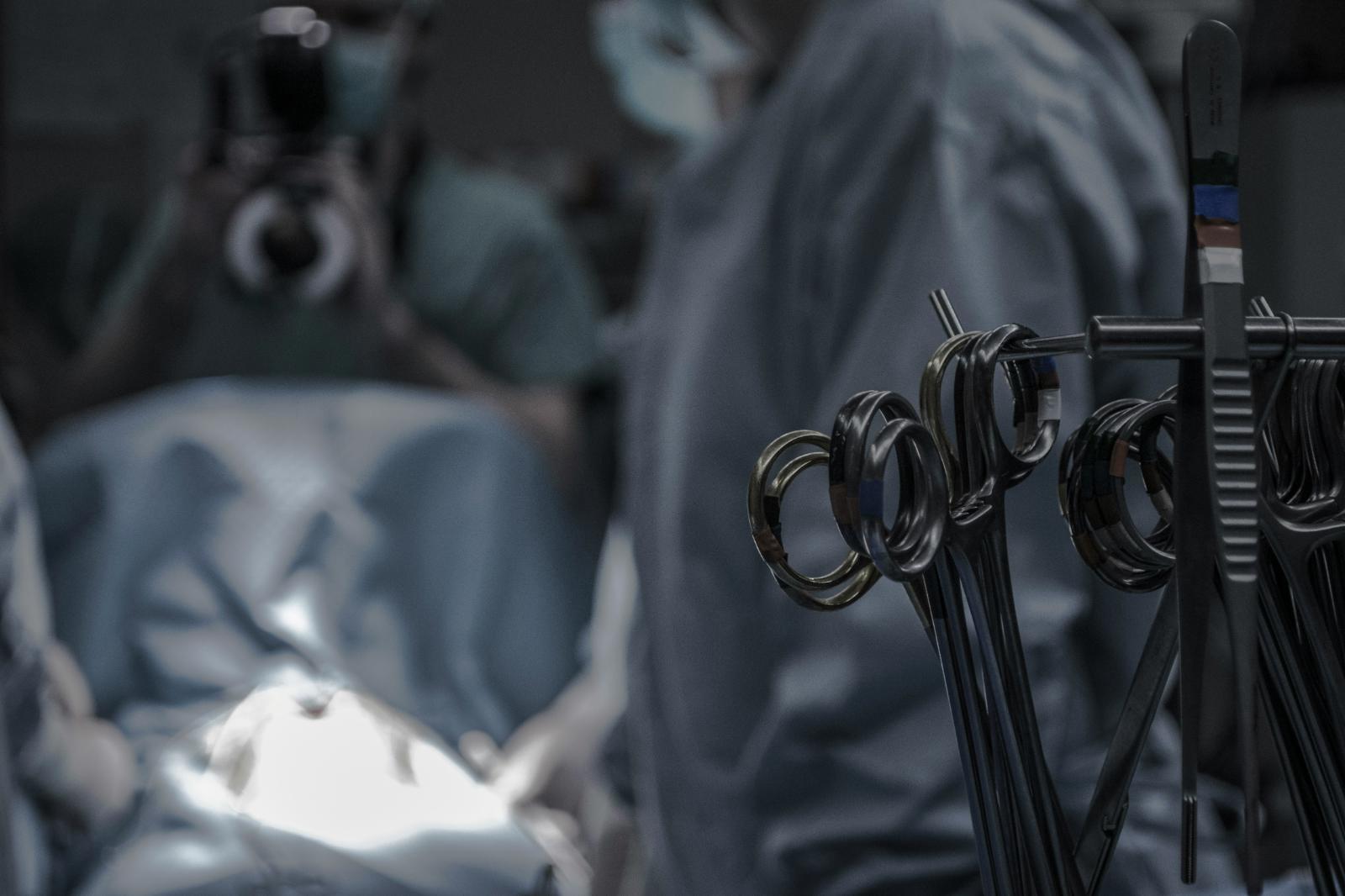
What to Expect Mentally and Physcially
Here you will find common experiences after major surgery
Healing after surgery is a gradual process that looks a little different for everyone. It’s normal to experience physical and emotional changes as your body adjusts and begins to repair itself. Knowing what to expect helps you stay calm, patient, and confident throughout your recovery.

Swelling and Bruising
Mild to moderate swelling is a normal part of your body’s natural healing response. It often peaks within the first few days, then slowly decreases over the following weeks. Tenderness or tightness around the surgical area is also common.
Manual Lymphatic Drainage (MLD) can help reduce swelling, decrease pain and increase your range of motion (ROM).

Brusing and Discoloration
Bruising may appear around the surgical site and can shift colors as it heals — from deep purple to yellow or green before fading away. This is part of the body’s way of clearing out blood and waste products under the skin.
Gentle circulation, hydration, and rest all help the bruising process resolve naturally.

Fatigue and Low Energy
Your body is working hard to rebuild tissue and regulate inflammation, which can leave you feeling tired or emotionally sensitive. Don’t fight it — this is your body’s signal to rest and restore.
Allow yourself naps, quiet moments, and a slower pace without guilt.

Timeline of Recovery
Every surgery and every body is unique. Some clients feel improvement in a few weeks, while others may need several months for full recovery.
Patience is key — your body knows exactly how to heal when given time, rest, and care.
Recovery is not a race. It’s a partnership between you and your body. Give yourself permission to heal at your own pace — with compassion, consistency, and care.

Emotional Ups and Downs
It’s common to experience mood shifts, irritability, or even mild sadness after surgery. Physical healing uses a lot of energy, and your hormones may fluctuate during recovery.
Gentle breathwork, affirmations, and calm environments can help you feel grounded and supported.

Scar Formation & Tightness
As your incision heals, you might notice firmness, itchiness, or tightness in the area. This is normal scar tissue forming as your body strengthens the new skin.
MLD and light scar-tissue massage can support mobility, soften texture, and encourage smoother healing.
Factors Affecting Wound Healing
Wound healing is influenced by both internal and external factors, and no two bodies heal exactly the same. Here are some key factors that can affect your healing process:
*Not following your surgeon's instructions
*Poorly fitted faja
*hormone fluctuations
*age
*Smoking or alcohol use
*Poor nutrition and/or dehydration
*Stress and lack of rest
*Lack of movement or too much activity
*Poor circulation
*Certain medical conditions (Such as diabetes)
Medications- (like steriods or blood thinners)
By being mindful of these factors and supporting your body in positive ways, you can help create the best environment for your recovery.

When to contact your doctor
WHILE SOME SWELLING, TENDERNESS, AND TIREDNESS ARE NORMAL AFTER SURGERY, CERTAIN SYMPTOMS NEED PROMPT MEDICAL ATTENTION. PLEASE CONTACT YOUR SURGEON OR HEALTHCARE PROVIDER RIGHT AWAY IF YOU NOTICE:
- Excessive swelling or sudden increase in swelling that does not improve
- Severe or worsening pain not relieved by prescribed medication
- Redness, warmth, or streaking spreading around the incision
- Pus or unusual drainage from the surgical site
- Fever or chills (temperature above 100.4 F/ 38 C
- Unusual odor coming from the incision or bandages
- Excessive bleeding or soaking through dressings
- Shortness of breath, chest pain, or difficulty breathing
- Allergic reaction signs such as rash, itching, or swelling of face/lips
- Numbness or loss of movement near or beyond the surgical area
If you are ever unsure, it's always better to call your doctor and get checked.
Let's Get Into Recovering with Peace of Mind
You Got This!
Your body knows how to heal-give it what it needs. Follow these simple steps for quality recovery.
Disclaimer:
All information provided is for educational purposes only and is not a substitute for medical advice. Always follow the recommendations of your surgeon, physician, or healthcare team regarding activity level, medications, and recovery timelines.
Breathing Techniques for Healing
Gentle breathing helps reduce swelling, calm the nervous system, and support lymphatic flow.
Breathing Techniques
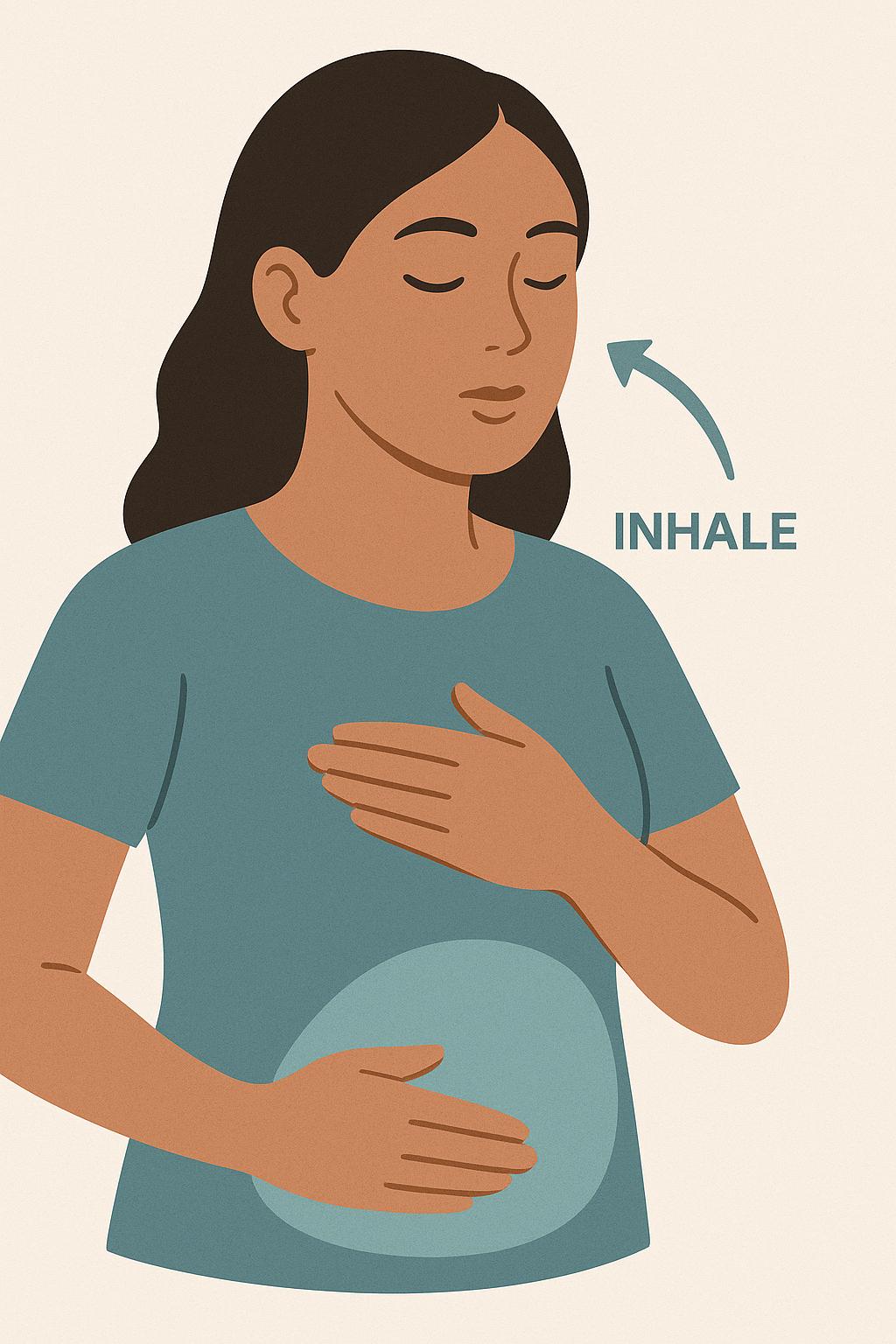
Diaphragmatic (Belly) Breathing
Purpose: Activates the parasymphathetic nervous system, improves lymph flow, and promotes relaxation
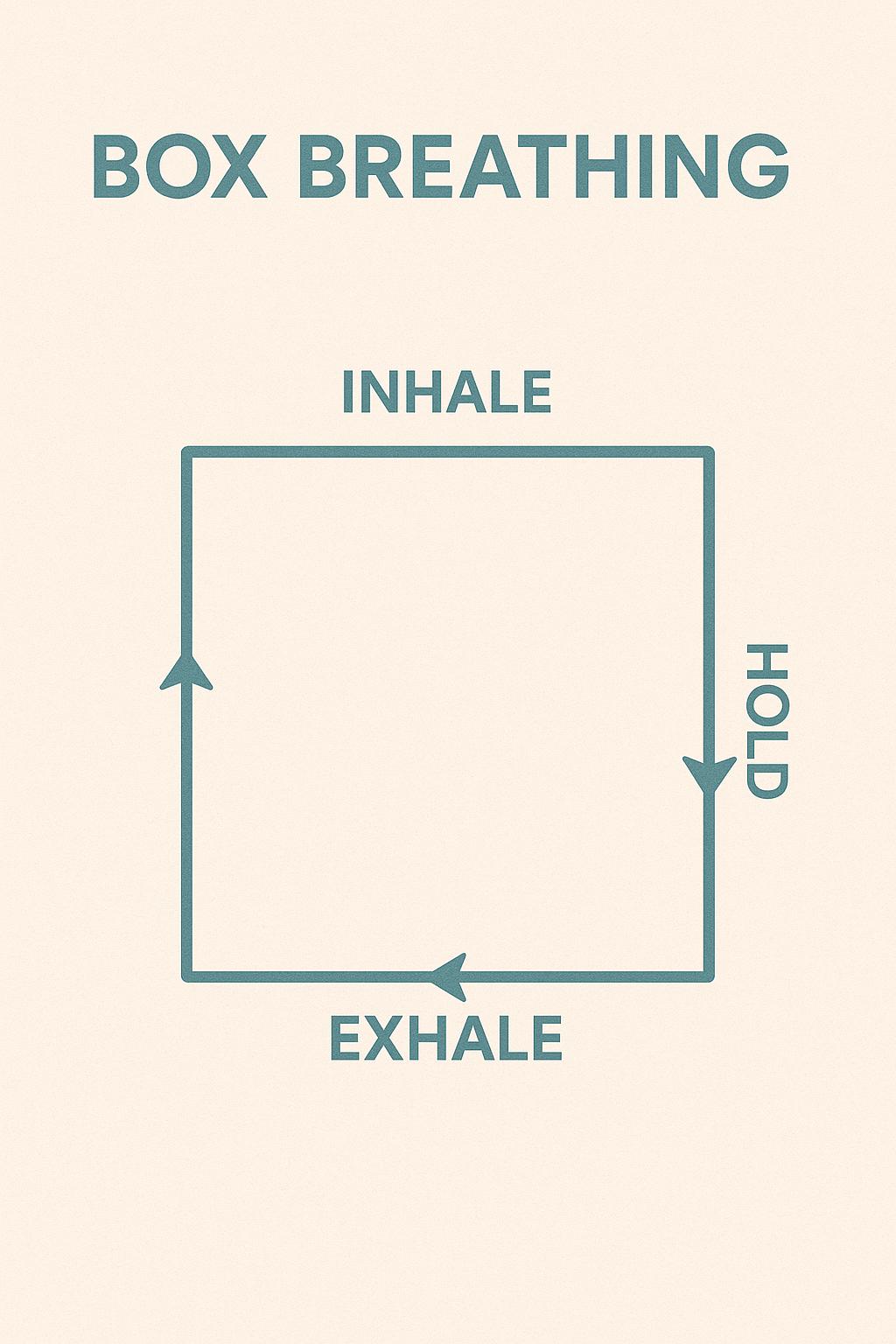
Box Breathing
Purpose: Reduces anxiety, helps regulate heart rate, and stabilizes breathing after anesthesia or trauma.
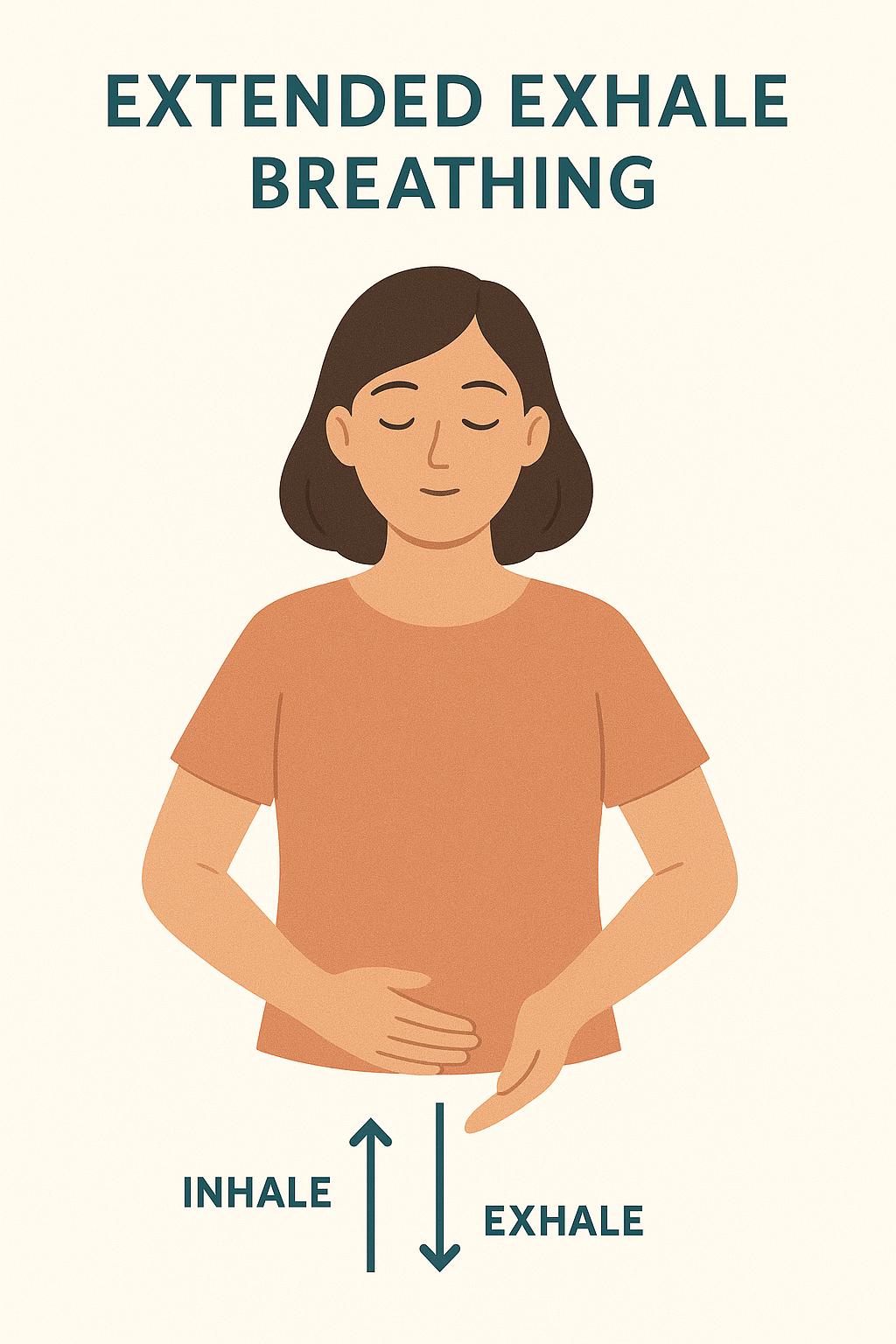
Extended Exhale Breathing
Purpose: Enhances lymphatic drainage, reduces inflammation, and supports pain control by lengthening exhalation.
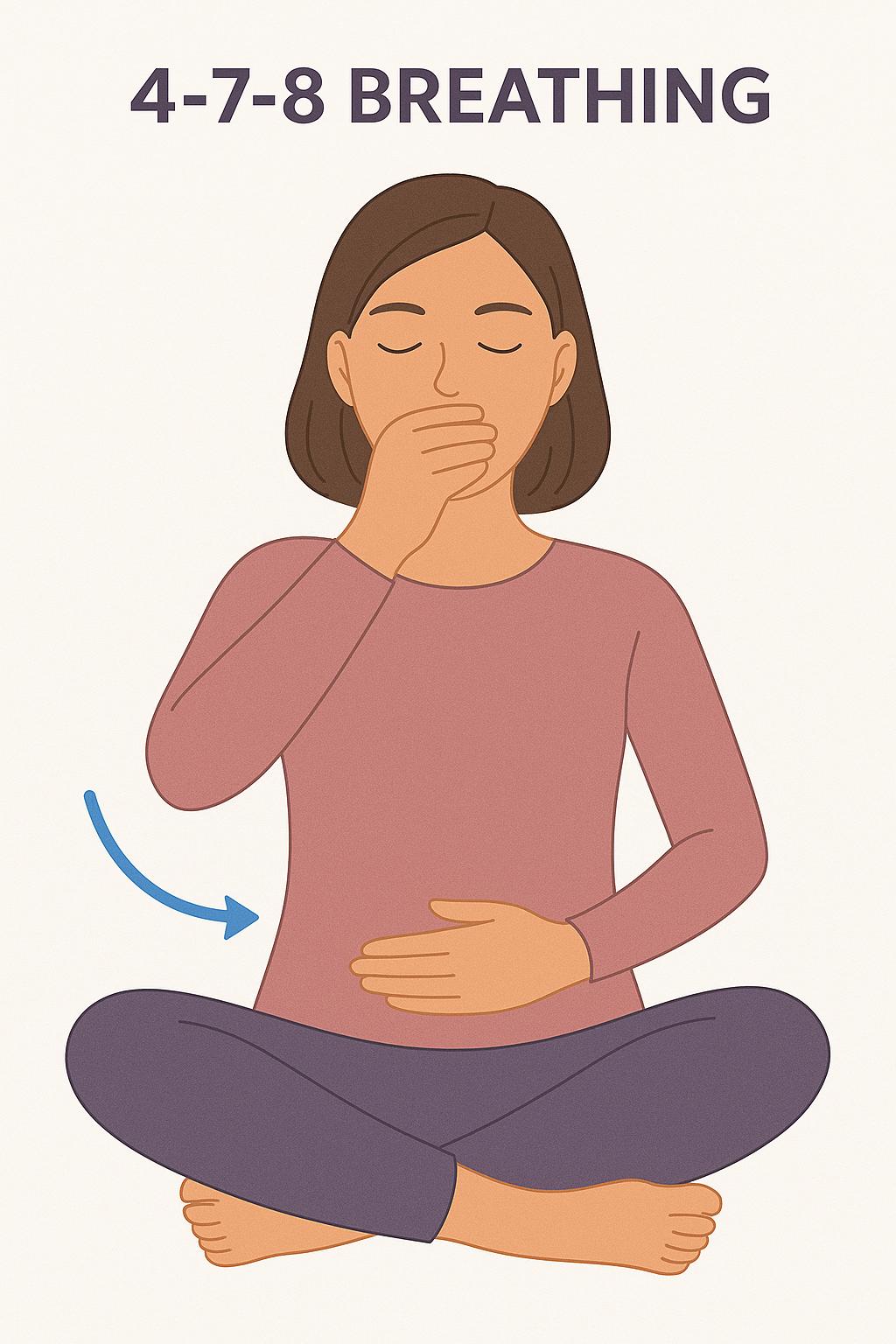
4-7-8 Breathing
Purpose:
Promotes deep relaxation, helps ease pain-related anxiety, and supports better sleep by slowing the heart rate and calming the nervous system.

Hydration, Rest, and Nutrition Tips
Healing requires nourishment from the inside out. Supporting your body with water, rest, and balanced nutrition helps reduce inflammation, flush out toxins, and rebuild tissue more efficiently.
Hydration
- Aim to sip water consistently throughout the day—your lymphatic system depends on hydration to move fluids and waste.
- Add a squeeze of lemon or cucumber for gentle detox support.
- Herbal teas such as chamomile, ginger, or mint can soothe digestion and calm the nervous system.
- If cleared by your doctor, add electrolytes (sodium, potassium, magnesium) to support balance, especially if you’re sweating, draining, or fatigued.
- Avoid sugary drinks, sodas, or excessive caffeine, which can cause dehydration and slow healing.
Tip: Think of hydration as internal lymphatic support—every sip helps your system clear, calm, and recover.
Rest: Your Body Heals in Stillness
- Quality sleep is when your body regenerates cells and repairs tissue—try for 7–9 hours of deep, uninterrupted rest.
- Elevate the surgical area (if advised) to reduce swelling and promote drainage.
- Create a calm environment: soft lighting, gentle music, and no screen time at least 30 minutes before bed.
- Short naps during the day are okay—listen to your body’s cues without guilt.
Tip: Rest is not laziness—it’s active healing. Every peaceful moment allows your body to focus energy on repair.
Nutrition: Fuel for Recovery
- Focus on protein-rich foods (chicken, fish, eggs, beans, lentils) to rebuild tissue and support collagen production.
- Eat plenty of fruits and vegetables—especially those high in vitamin C (citrus, berries, bell peppers) and zinc (pumpkin seeds, nuts, seafood) to strengthen your immune system.
- Include healthy fats (avocado, olive oil, flax, salmon) to reduce inflammation and aid in cell repair.
- Avoid processed foods, alcohol, and excessive salt, which can increase inflammation and slow recovery.
- Eat smaller, balanced meals throughout the day to keep your energy stable and your digestive system gentle.
Tip: Think of every meal as medicine—nourish your body with foods that help it rebuild from within.
Light Movements and Stretches
Movement encourages healthy circulation, helps prevent stiffness, and supports lymph flow without straining healing tissues.
Disclaimer:
Only perform stretches, movements, or breathing exercises that have been cleared by your doctor or physical therapist.
Stop immediately if you experience pain, dizziness, tightness, or swelling.
Every body heals differently—move gently, breathe deeply, and never push past your comfort zone.
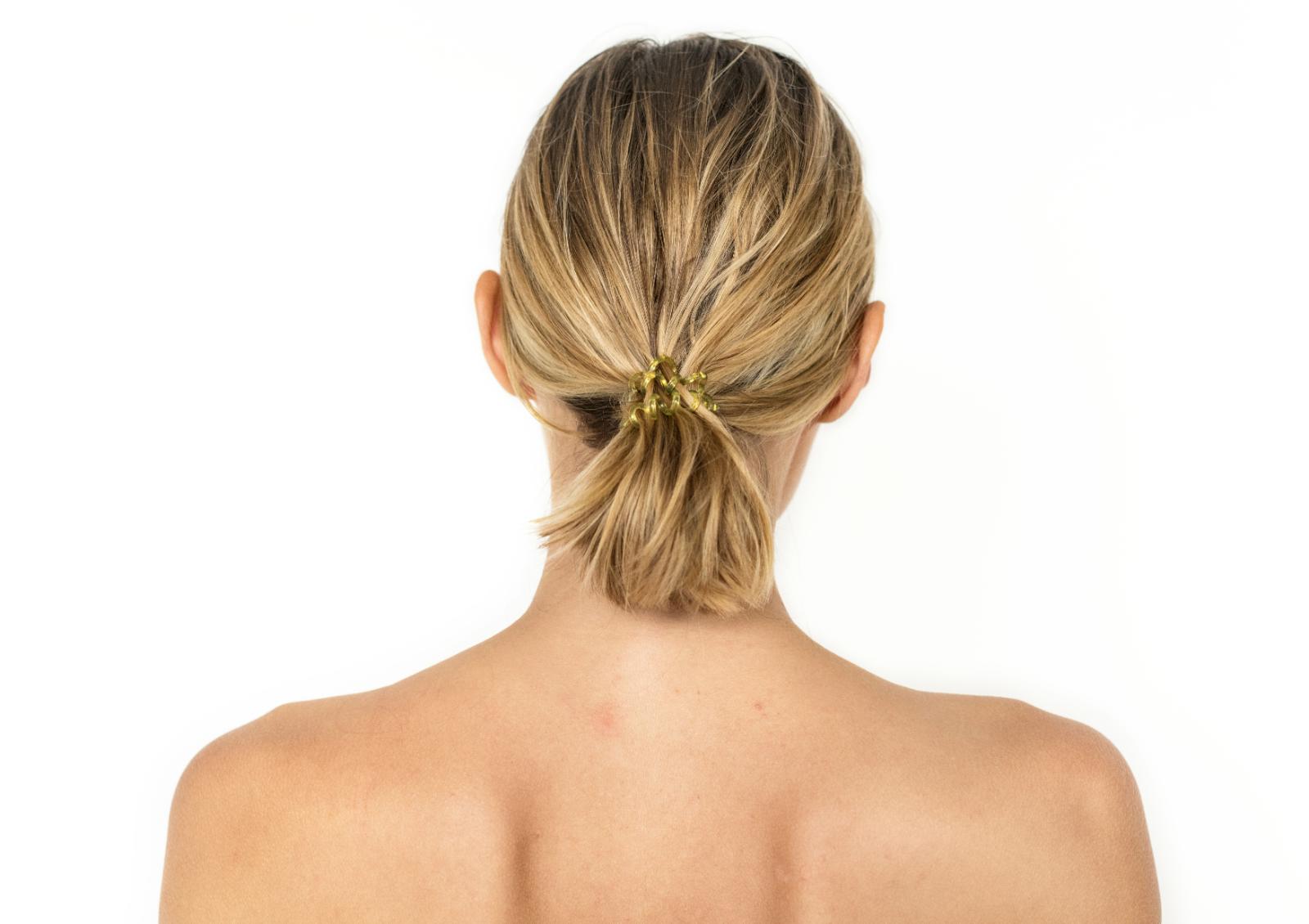
Shoulder Rolls
- Gently roll your shoulders backward in a slow, circular motion 5–10 times.
- Then roll forward 5–10 times.
- Helps ease tightness and promote upper body circulation.

Ankle Circles
- While sitting or lying down, slowly rotate each ankle in one direction, then the other.
- Ankle Flections
- Helps prevent fluid buildup in the lower legs.
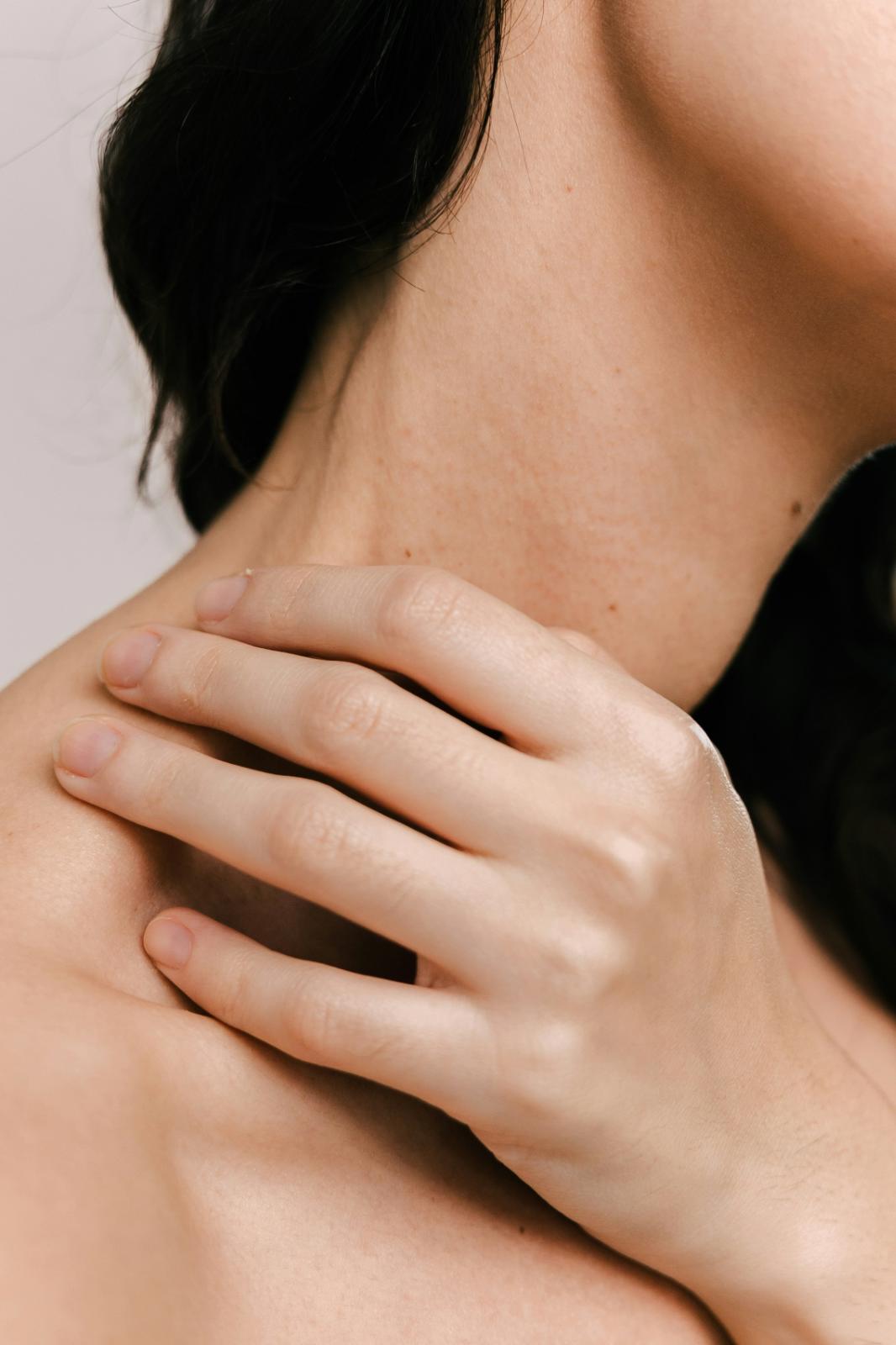
Neck Side Stretches
- Slowly tilt your head toward one shoulder, hold for a few seconds, and gently rub from the ear down to the collarbone a few time. then switch sides.
- Keep movements gentle, remember to breathe to release tension.
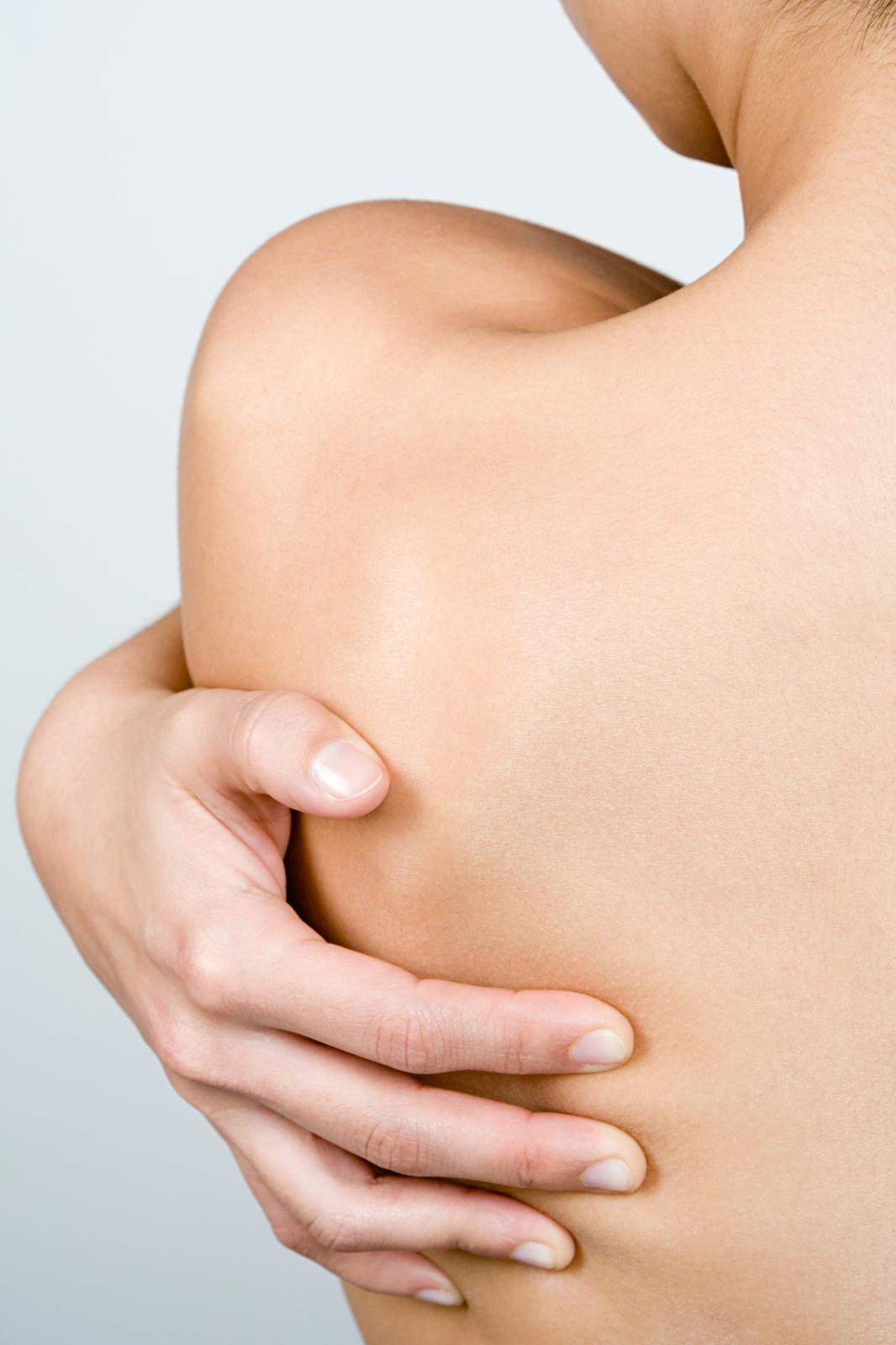
Arm Movements
- Gently raise them overhead and lower slowly.
- Open arms out like a hug and then bring arms back to body and wrap them around like an embrace.
- Encourages lymph movement and helps maintain range of motion.
Compression garments
Why they matter
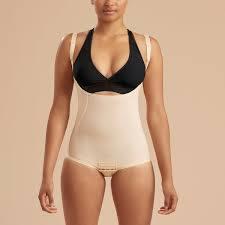
Why Compression Matters
- Reduces swelling and fluid buildup: Helps the body reabsorb lymphatic fluid after surgery or MLD.
- Improves circulation: Encourages oxygen and nutrients to reach healing tissues more efficiently.
- Supports skin retraction: Keeps the skin close to the new contours of your body after procedures like liposuction or tummy tuck.
- Minimizes discomfort: Provides gentle pressure to reduce tenderness and give you a sense of stability.
- Aids scar healing: Can help reduce tension on incisions, promoting smoother scar formation.
How to Wear Compression Garments
- Follow your surgeon’s instructions for how long and how often to wear them — typically 24/7 for the first few weeks, then part-time as healing progresses.
- Make sure your garment fits snugly but not painfully tight. You should be able to breathe and move comfortably.
- Avoid rolling or bunching fabric, which can cause uneven pressure or irritation.
- Keep it clean: Wash your garment regularly with gentle soap and allow it to fully dry before wearing again to avoid skin irritation or bacteria buildup.
- Have a backup garment: Switching between two ensures continuous support while one is being cleaned.
Tips for Comfort & Skin Care
- Moisturize gently: Use fragrance-free, non-greasy lotion after MLD or showering to prevent dryness.
- Use padding if needed: Soft pads or liners can help distribute pressure evenly around tender areas.
- Listen to your body: If you experience numbness, tingling, sharp pain, or skin changes, remove the garment and contact your surgeon.
Compression garments are an extension of your healing routine—working hand in hand with Manual Lymphatic Drainage, hydration, and rest to help your body recover naturally and comfortably.
Emotional Support and Mindset
Taking care of your mental and emotional well-being helps your body heal more smoothly and keeps your spirit strong along the way.
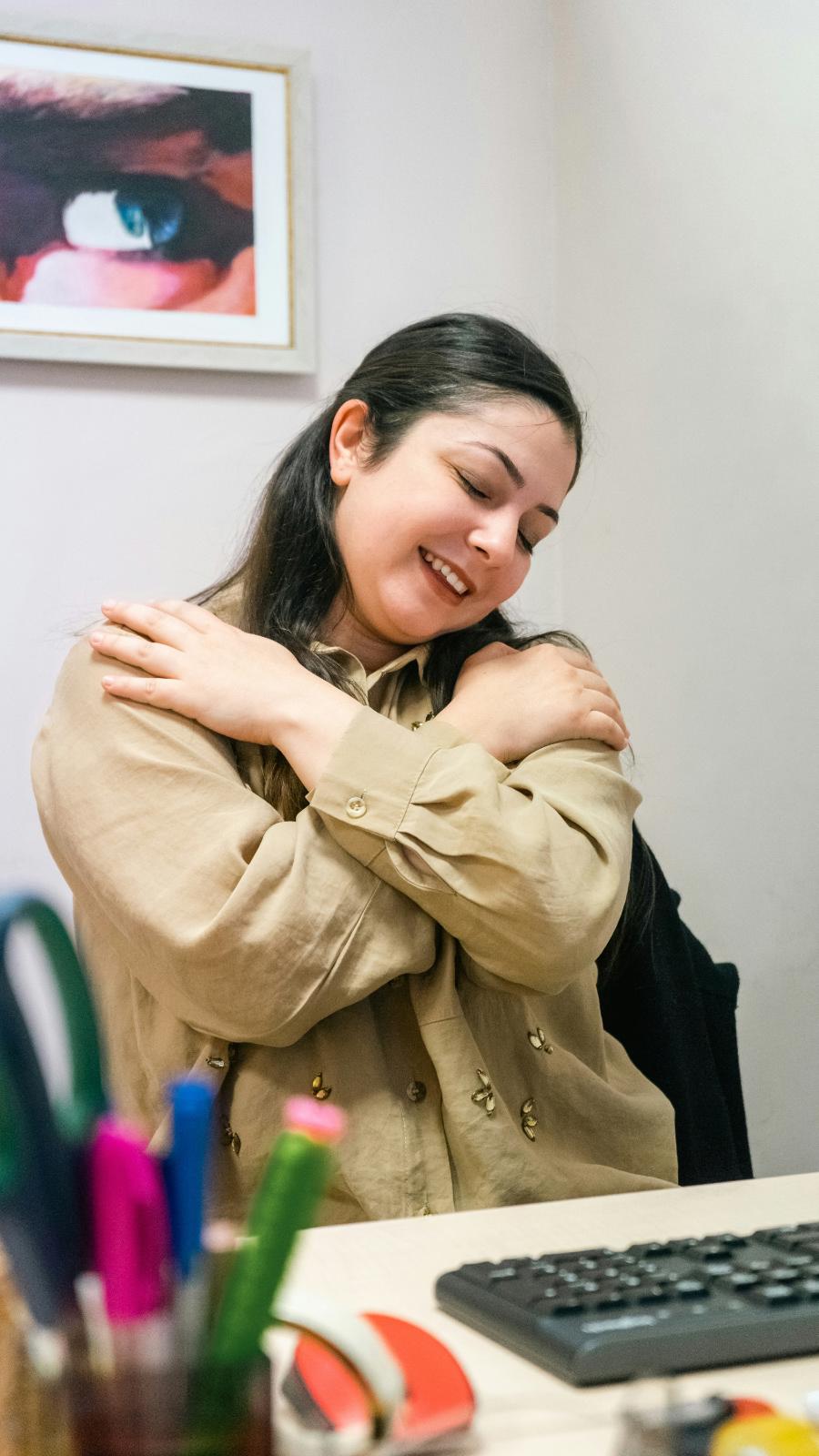
Practice Mindfulness
Slow down your thoughts, the same way you slow down your breathing

Mindful Breathing
Mindful breathing calms the nervous system and supports lymphatic flow — it helps your body and emotions heal together.

Meditations
Take 5–10 minutes each day to close your eyes and breathe deeply. Find a place you can relax (at a park, quiet room, under a tree, in your car) and focus on the rise and fall of your abdomen.

Practice Stillness
3-5 minutes of intentional stillness can do wonders on the nervous system. Practice intentional stillness by setting aside a few quiet moments each day to sit, breathe deeply, release distractions, and simply observe your thoughts without reacting.

Journaling
Journaling can be a form of mindfulness because it encourages you to slow down, reflect on your thoughts and emotions without judgment, and stay present with your inner experience in the moment. Feel your feels.
Positive Self Talk & Affirmations

Here are positive affirmations you can use throughout your healing journey. Use them as a mantra during mindful meditation, in journaling, write on a post-it note and tape to your bathroom mirror, or however you want! Your words carry power-use them to craft a healthy recovery.
🌸 Post-Surgical Healing Affirmations 🌸
• My body knows how to heal, and I trust the process.
• Each day I grow stronger, calmer, and more at peace.
• Healing is happening within me right now.
• I am patient with my body as it recovers.
• Rest is not weakness; it is medicine.
• Every breath I take nourishes and restores me.
• My body is resilient, and I honor its pace.
Lymphatic Support Tools
Encourage gentle fluid movement, reduce swelling, and calm the body.
Disclosure
These at-home methods are intended as gentle self-care supports and should not replace professional Manual Lymphatic Drainage (MLD) or medical advice. Always consult with your healthcare provider or certified MLD therapist before beginning new routines, especially after surgery, illness, or injury.
To learn more about these tools or how to use them, book a MLD session at SmudgeHawk Healing today!
Book Now
You don't have to feel alone on your healing journey.
SmudgeHawk Healing is here.
Supporting your body’s natural healing after surgery.